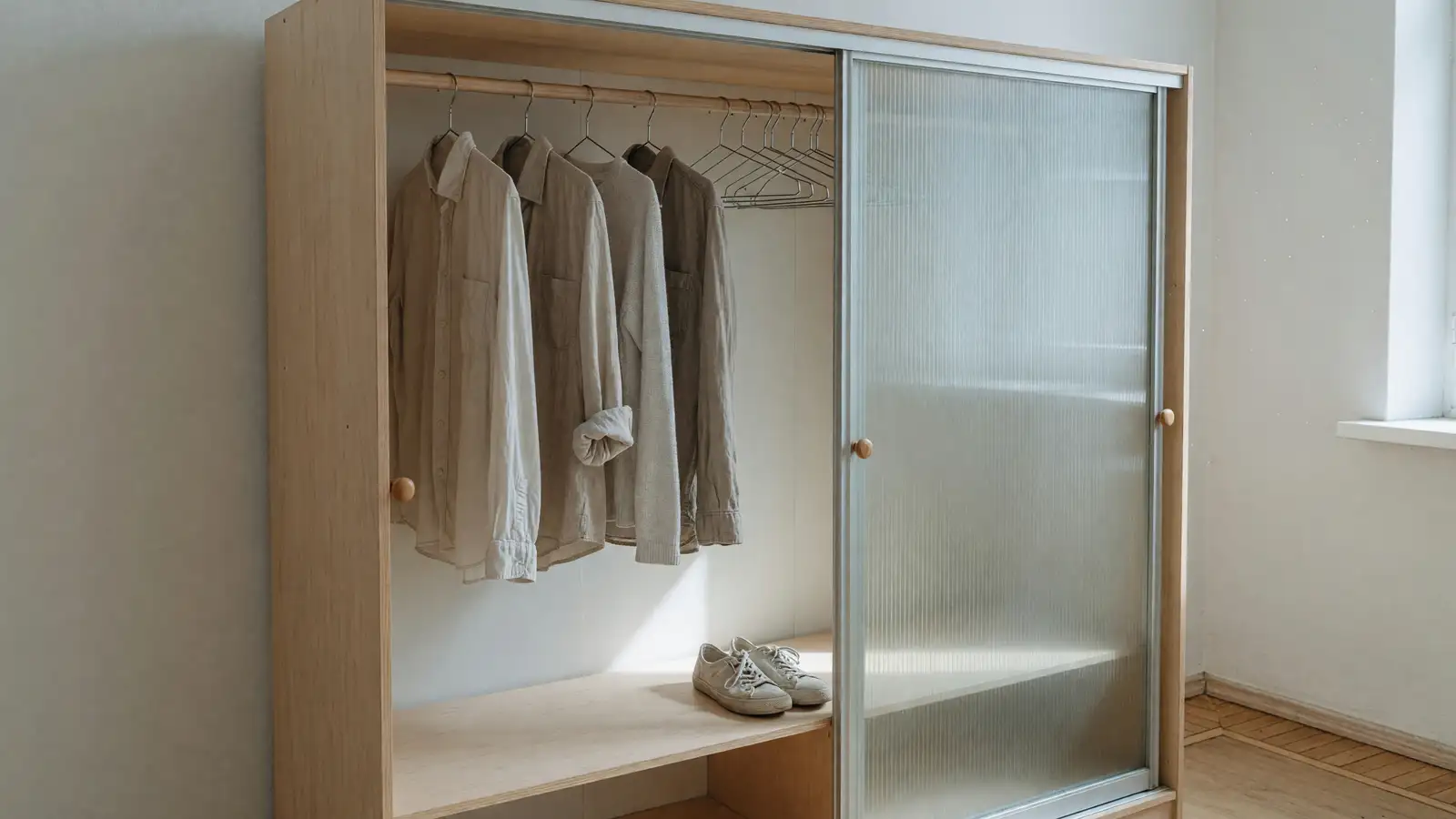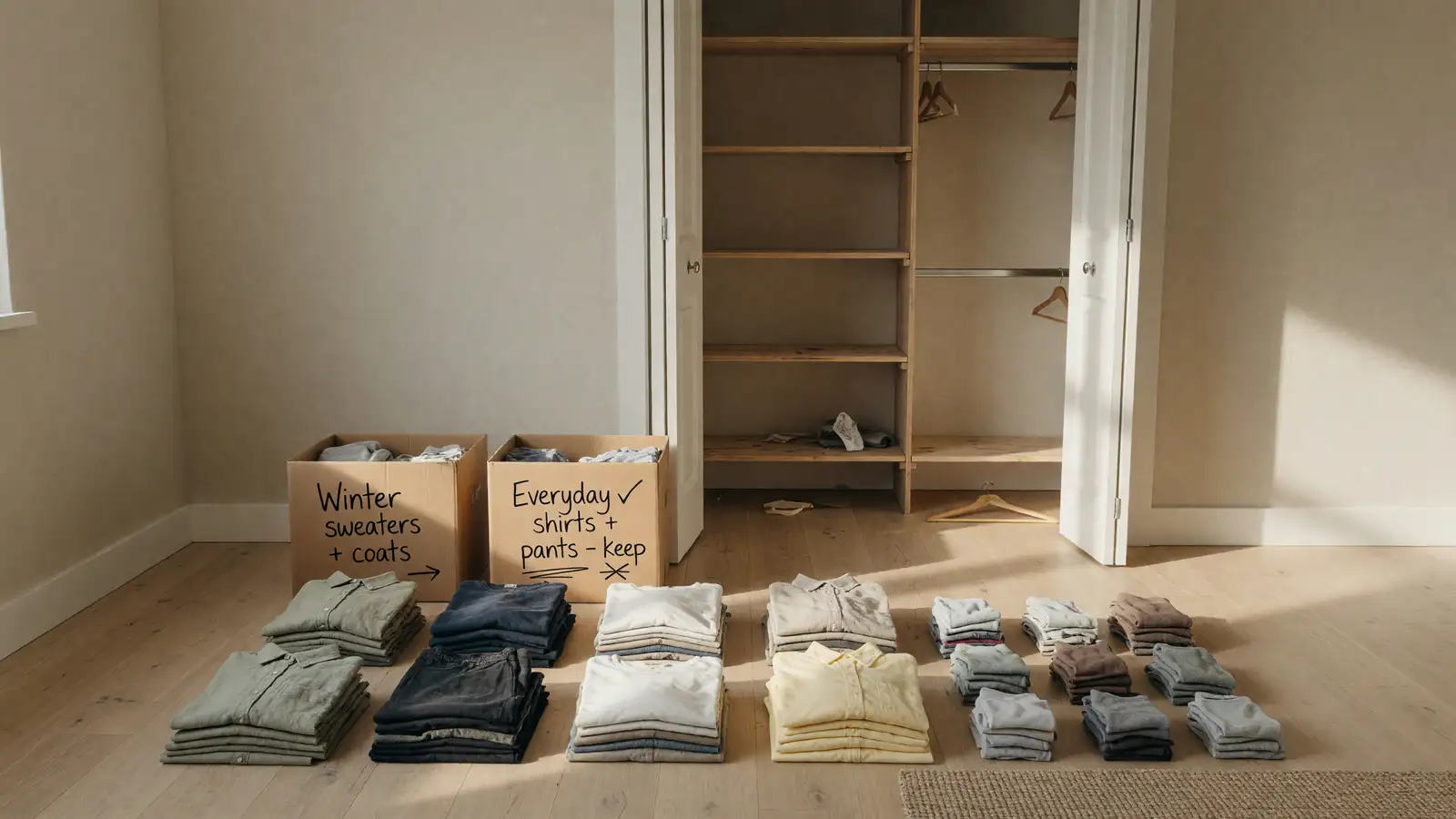
The average traveler wears only half of what they pack. The other half is insurance against hypothetical scenarios: the fancy dinner that never materializes, the cold snap that does not arrive, the activity you would genuinely rather skip. That unused clothing adds weight to your luggage, stress to your transit, and time to your unpacking. All for an eventuality that did not happen.
Packing light is not a personality trait. It is a system. Once you learn the system, you can pack for a weekend or a month in the same carry-on bag. Here is how.
The Three-Color Rule
Every item in your travel wardrobe should coordinate within a three-color palette: two neutral base colors and one accent color. Black and white with a pop of red. Navy and beige with coral. Gray and cream with forest green. When every top works with every bottom, you can create more outfit combinations from fewer items.
This is the capsule wardrobe principle applied to travel. Six tops and three bottoms in a coordinated palette create eighteen distinct outfits. That is nearly three weeks of unique combinations from nine garments. Add a layering piece like a cardigan or light jacket, and the possibilities expand further.
The Packing List Formula
A minimalist packing list for any trip longer than three days follows a consistent formula: one pair of pants or jeans for every three days, capped at three pairs maximum; one top for every two days, capped at seven; one layering piece; one versatile dress or button-down for occasions that require looking presentable; one pair of walking shoes worn on the plane; one pair of sandals or flats packed; and undergarments and socks for one week, with the expectation of washing.
Laundry access determines how long you can travel with this list. With a seven-day supply of undergarments and a laundry stop once per week, the same carry-on bag works indefinitely. Sink washing extends the range between laundry stops for quick-dry fabrics.
The Toiletry Minimalism
Hotel toiletries eliminate the need to pack shampoo, conditioner, body wash, and lotion for most trips. What remains fits in a single quart-size bag: toothbrush, toothpaste, deodorant, sunscreen, a few essential medications, and minimal makeup if you wear it. Solid toiletries — bar shampoo, bar conditioner, solid sunscreen, solid deodorant — bypass liquid restrictions entirely and last longer than their liquid equivalents.
The toiletry bag should contain only items you cannot easily purchase at your destination. Anything available at a drugstore in any city worldwide does not need to fly across an ocean in your luggage.
The Technology Edit
Technology is the heaviest category in modern luggage. A smartphone replaces a camera, map, guidebook, notebook, boarding passes, and flashlight. Unless your trip specifically requires a laptop for work, leave it at home. A tablet handles entertainment, email, and light productivity in a quarter of the weight.
Charging cables multiply frustratingly. A single multi-device charging cable with swappable tips reduces the cable tangle to one organized cord. A universal power adapter with built-in USB ports eliminates the need for separate adapters and charging bricks.
The One-Bag Mindset
The carry-on-only approach is not just about avoiding checked bag fees. It is about mobility. A traveler with one bag can walk onto any train, climb any staircase, navigate any cobblestone street, and change plans spontaneously without retrieving luggage from a hotel or carousel.
The bag itself matters. A backpack in the thirty to forty liter range maximizes carry-on allowance while remaining comfortable for extended wear. Clamshell opening, where the bag unzips fully like a suitcase, provides the accessibility of a roller bag with the mobility of a backpack.
Packing light is a skill that improves with practice. Each trip reveals what you packed but never used. Note those items, and leave them home next time. Within three trips, you will have dialed in the exact list that works for your travel style. The result is not a feeling of deprivation but of freedom.