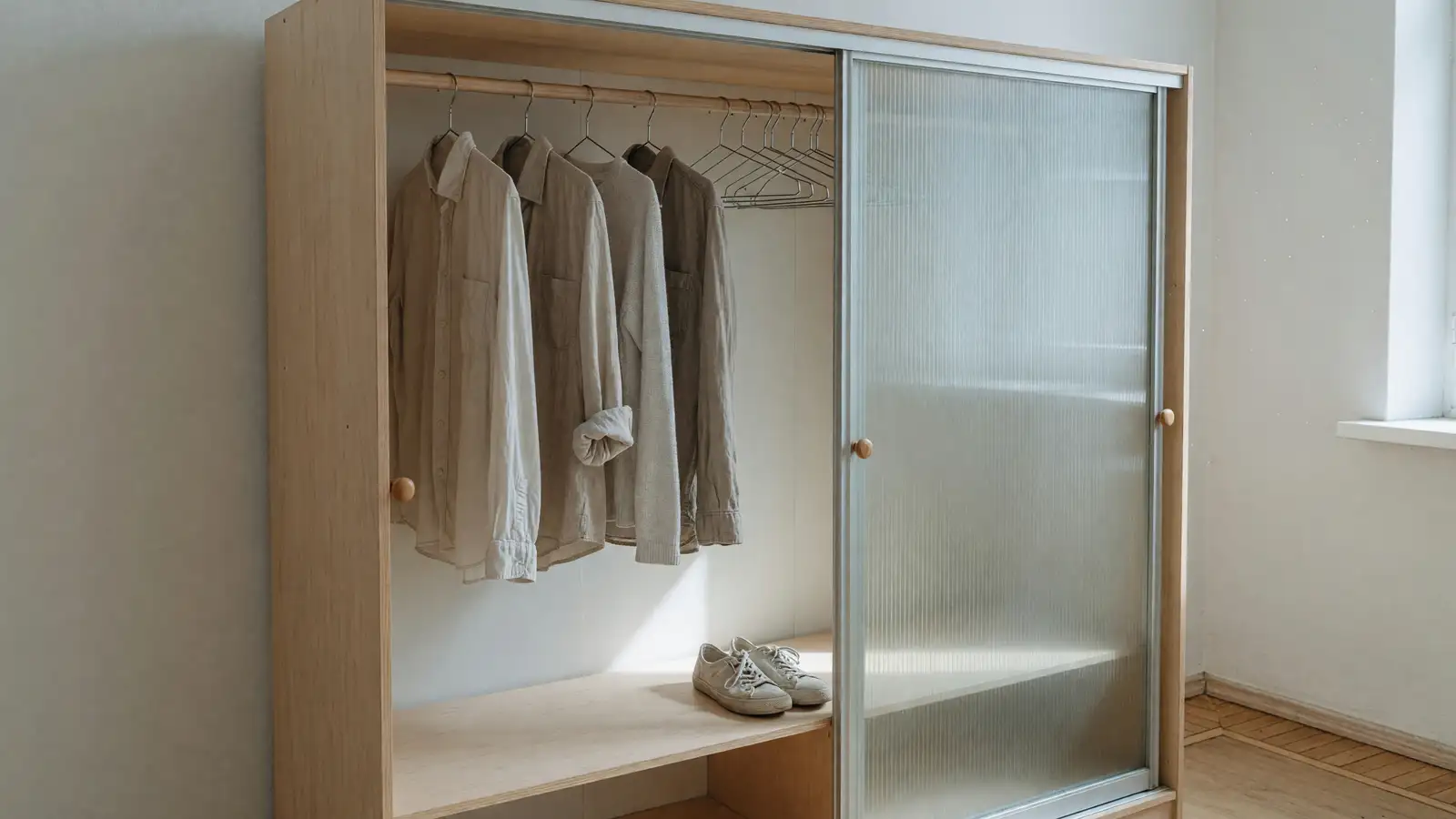
The average person wears twenty percent of their wardrobe eighty percent of the time. The other eighty percent hangs unworn, taking up space and creating decision fatigue every morning. A capsule wardrobe is the antidote: a intentionally limited collection of clothing where every piece coordinates with nearly every other piece, and nothing hangs in the closet out of guilt or obligation.
Building a capsule wardrobe is not about adopting a uniform or renouncing fashion. It is about being honest about what you actually wear and building a closet that serves your real life, not your fantasy life.
The Audit: What You Actually Wear
Before buying anything new, you need data. For two weeks, track every item of clothing you wear. Not what you think you wear. Not what you wish you wore. What you actually put on your body and leave the house in. At the end of two weeks, you will have an honest picture of your real wardrobe.
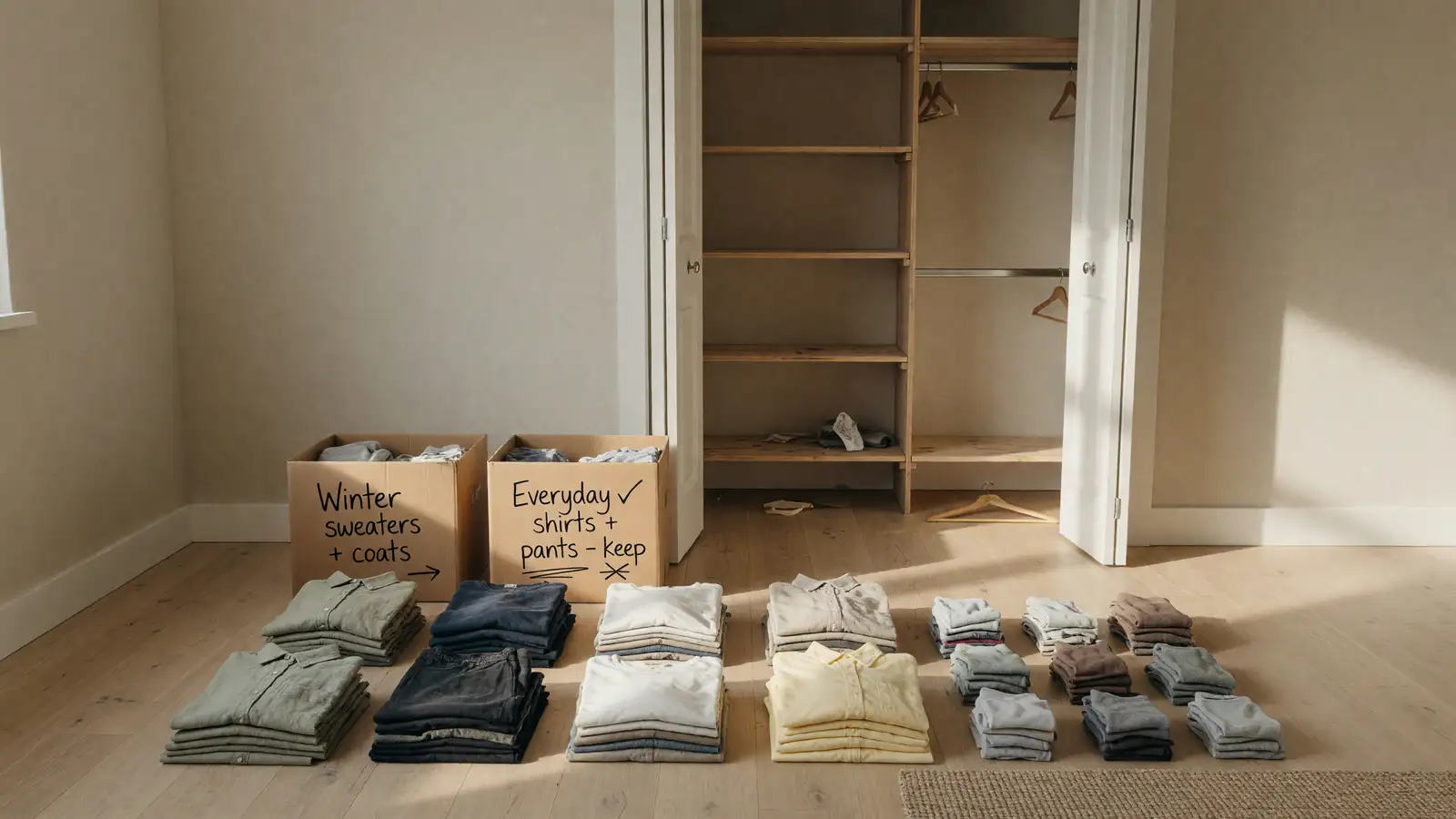
The items you wore multiple times are your core pieces. The items you wore once are situational. The items you did not wear at all fall into three categories: wrong season, wrong size, or wrong life. Wrong season items get stored elsewhere. Wrong size and wrong life items get donated immediately.
This audit typically reveals that most people genuinely need far fewer clothes than they own. The challenge is not quantity but versatility.
The Capsule Formula
A functional capsule wardrobe operates on a simple formula: a limited color palette plus interchangeable silhouettes. Choose two or three neutral base colors — black, navy, gray, cream, or beige are the most versatile — and one or two accent colors that complement them. Everything you buy must work within this palette.
The result is a closet where any top works with any bottom, any layer works with any base, and getting dressed in the morning takes thirty seconds instead of ten minutes of trying on and discarding options.
A typical four-season capsule contains roughly thirty to forty items including shoes and outerwear, with seasonal rotation bringing the active wardrobe down to twenty to twenty-five pieces at any given time. This number is not a rule but a guideline. The right number is whatever allows you to go two weeks without repeating an outfit and without feeling constrained.
Quality Over Quantity
The capsule wardrobe approach changes how you shop. When you only own five pairs of pants, each pair needs to be well-made enough to withstand frequent wear. Fast fashion items that fall apart after ten washes have no place in a capsule. They cost more per wear than higher-quality pieces that last for years.
Natural fibers — cotton, wool, linen, silk — age better than synthetics. They breathe more comfortably against the skin, hold their shape longer, and develop character rather than looking worn out. A cotton sweater that pills slightly after a year looks lived-in. A polyester sweater that pills looks cheap.
This does not mean everything in your capsule needs to be expensive. Thrift stores are full of high-quality natural fiber clothing at fast fashion prices. The limiting factor for thrift shopping is patience rather than budget, and the environmental impact is zero compared to new production.
The Seasonal Swap
Capsule wardrobes work best with a seasonal rotation system. At the start of each season, pull out the clothes that belong to the previous season, wash and store them properly, and bring in the next season’s pieces. This keeps the active closet from becoming bloated and makes the small number of items you own feel fresh.
The seasonal swap is also the natural time for assessment. Anything from the outgoing season that you did not wear once gets donated. Anything damaged beyond repair gets replaced. This rhythm prevents the slow accumulation of unworn items that defeats the purpose of a capsule.
The Unexpected Freedom
People who switch to a capsule wardrobe consistently report the same unexpected benefit: mental freedom. The daily decision of what to wear, which most people do not even register as a decision, consumes cognitive bandwidth. Eliminating that decision — or reducing it to a trivial choice between clearly compatible options — frees up mental energy for decisions that actually matter.
There is also the financial freedom of no longer buying clothes you do not need. The average person spends hundreds of dollars per year on impulse clothing purchases, most of which are worn fewer than five times. A capsule wardrobe redirects that spending toward fewer, better items that last.
The goal of a capsule wardrobe is not to make you look like you own fewer clothes. It is to make getting dressed so effortless that you can forget about clothes entirely and focus on the rest of your day.