The thought of cleaning an entire house can feel overwhelming, leading many people to procrastinate until the mess becomes unmanageable. The secret to maintaining a consistently clean home without sacrificing your entire weekend is not cleaning more. It is cleaning smarter. A well-designed weekly cleaning routine breaks tasks into manageable daily chunks, making the process less daunting and more sustainable.
The Problem with Weekend Cleaning
Most people reserve cleaning for weekends, spending hours scrubbing, organizing, and tidying when they would rather be relaxing or spending time with family. This approach has several drawbacks. First, accumulated dirt and grime become harder to remove over time. Second, the sheer volume of cleaning required becomes mentally and physically exhausting. Third, life happens. Unexpected commitments often derail weekend cleaning plans, leaving you with a messy home and mounting frustration.
A daily cleaning approach prevents buildup, distributes the workload evenly, and keeps your home consistently clean with minimal effort each day.
The 15-Minute Daily Habit
The most effective cleaning routine involves just 15 minutes each day. This small time investment is easy to commit to and unlikely to be derailed by other obligations. The key is consistency. The same simple tasks, performed daily, prevent the accumulation of dirt and clutter.
Choose a time that works for your schedule, whether first thing in the morning, during lunch break, or after dinner. Link the cleaning habit to an existing routine to make it automatic. For example, always run the dishwasher after breakfast or wipe bathroom surfaces while waiting for the shower to warm up.
Daily Tasks That Make a Difference
Each day, focus on these core tasks to maintain a clean home. Wipe kitchen counters and stovetop after every meal preparation to prevent grease buildup. Run the dishwasher each night so it is empty and ready for the next day. Do a quick tidy of main living areas, returning items to their designated places.
Bathroom maintenance takes just minutes when done consistently. Squeegee shower doors after each use to prevent water spots and soap scum. Wipe the toilet seat and rim with disinfecting wipes. Hang towels properly to dry and wash them regularly. These small actions prevent the need for deep cleaning later.
Weekly, launder kitchen towels, dish rags, and hand towels. A quick load of laundry each day is far easier than confronting a mountain of clothes on weekends. Keep a hamper in each bedroom and bathroom to make laundry collection effortless.
The Deep Clean Day
While daily maintenance keeps your home generally clean, one day per month should be dedicated to deeper cleaning tasks that do not need attention as frequently. This might include cleaning inside the refrigerator, washing windows, vacuuming furniture, or scrubbing floors.
Divide your monthly tasks among four weekends, completing one-quarter of them each week. This approach prevents any single deep cleaning session from becoming overwhelming and ensures all areas of your home receive regular attention.
Room-by-Room Focus
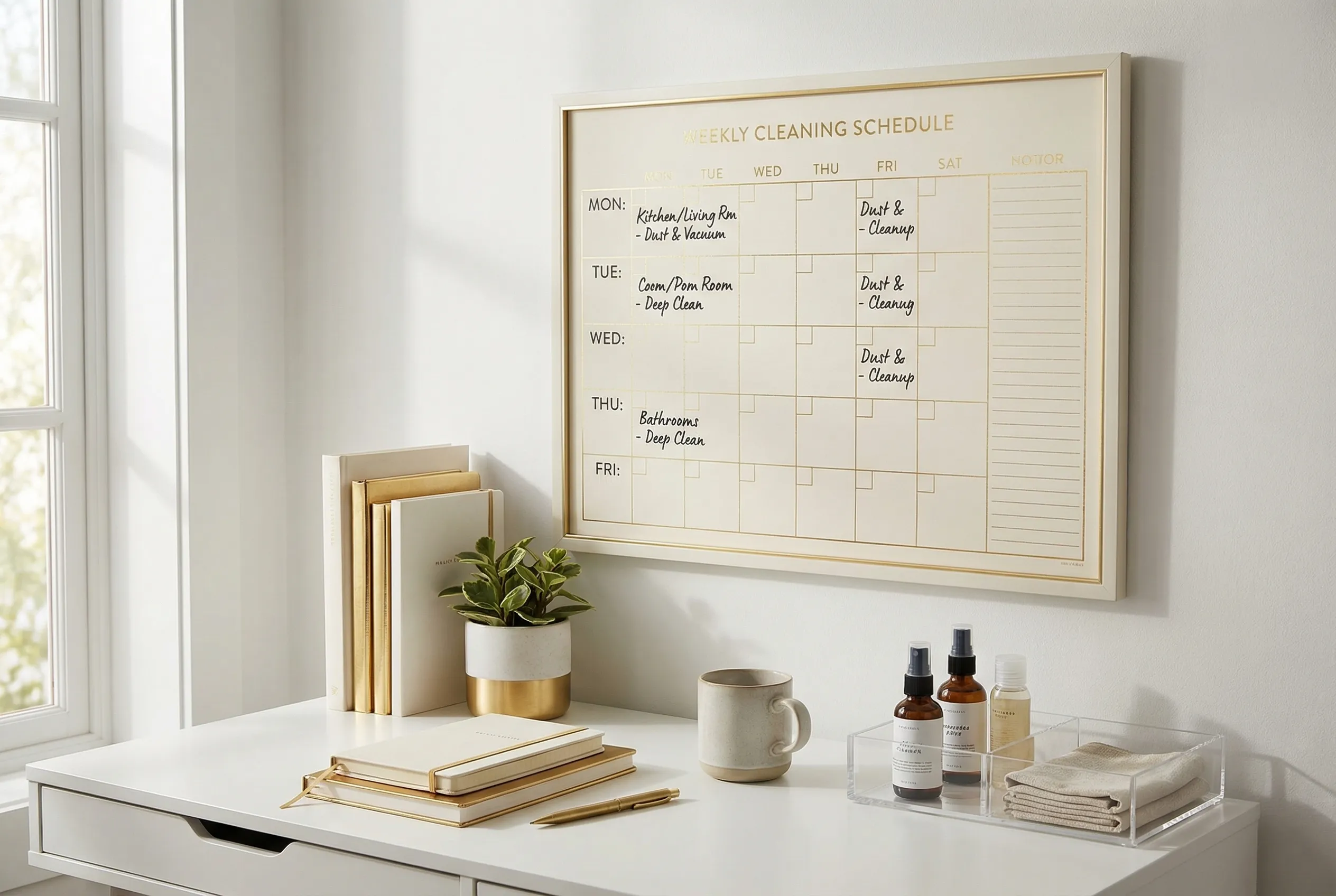
Another effective approach is dedicating specific days to specific rooms. For example, Mondays might be kitchen day, with extra attention paid to appliances, cabinet fronts, and organizational systems. Tuesdays focus on bathrooms, with thorough cleaning of all fixtures and floors.
This method allows for deeper cleaning in each space while maintaining overall home cleanliness. It also makes the cleaning routine more predictable and easier to remember.
The Power of Cleaning Tools
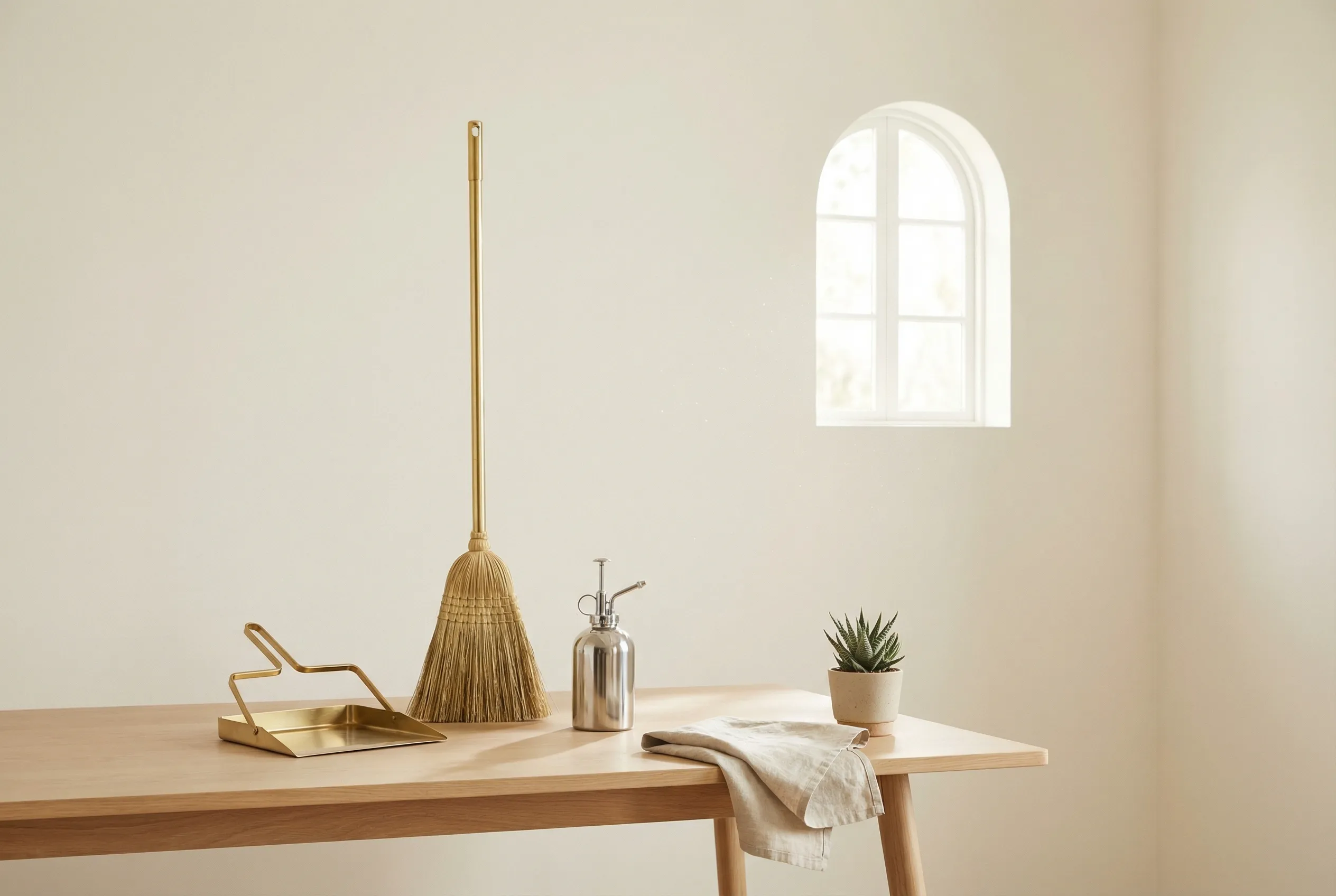
Having the right tools readily available makes cleaning faster and more effective. Keep basic supplies in each major area of your home. Put bathroom cleaning spray, kitchen cleaner and cloths near the sink, dusting supplies in the living area. When everything has a designated home, cleaning requires minimal setup.
Invest in quality tools that make cleaning easier: a good vacuum with attachments for different surfaces, microfiber cloths that trap dust effectively, and durable scrub brushes for tough jobs. Quality tools last longer and perform better, saving money over time.
Involve the Whole Household
Cleaning should not be a solo endeavor. Assign age-appropriate tasks to children and create shared expectations with partners or roommates. A chore chart or shared task list helps everyone understand their responsibilities and track progress.
Make cleaning more engaging by playing music or audiobooks while working. Turn cleaning into family time by doing it together, then rewarding yourselves with a shared activity. When everyone participates, the workload becomes manageable and household members develop valuable life skills.
Dealing with Resistance
Starting a new cleaning routine inevitably encounters resistance. Both from household members Start with just one or two new habits, adding more once they become automatic. Expect setbacks and plan for them rather than abandoning the entire routine when life gets busy.
Track your progress and celebrate successes. After a month of consistent cleaning, notice how much easier daily maintenance has become. The initial effort creates lasting habits that transform cleaning from a dreaded chore into a simple part of your routine.
The Mental Benefits
A clean home provides mental clarity that spills over into other areas of life. When your environment is organized and clean, you think more clearly, focus better, and feel more in control. The discipline of maintaining a cleaning routine builds self-efficacy that positively impacts other habits and goals.
Many people find that the 15 minutes of daily cleaning becomes a form of meditation. It is a time to be present Rather than viewing cleaning as a burden, consider it an investment in your mental well-being.
Conclusion
A sustainable cleaning routine transforms the relationship between you and your home. Rather than fighting against messes, you work with your living space to maintain cleanliness consistently. Start small, stay consistent, and adjust your routine as needed. The clean home you deserve is achievable with just 15 minutes per day.