Minimalism has become a buzzword in recent years, often misunderstood as living with nothing or rejecting all material possessions. In reality, minimalism is about intentionally living with only the things that serve a purpose or bring joy. It is a journey toward clarity, not a destination of deprivation. If you have been feeling overwhelmed by clutter and complexity, this guide will help you take your first steps toward a simpler, more intentional life.
What Minimalism Actually Means
At its core, minimalism is the intentional promotion of the things we most value and the removal of everything that distracts us from it. It looks different for everyone because each person’s values, needs, and circumstances are unique. For some, minimalism means living out of a backpack; for others, it simply means having a clutter-free home office or a drawer that closes easily.
The goal is not to have as few possessions as possible but to have enough. Enough to live comfortably. Enough to pursue your passions. Enough to enjoy life without being weighed down by stuff.
Starting Small: The Kitchen Drawer
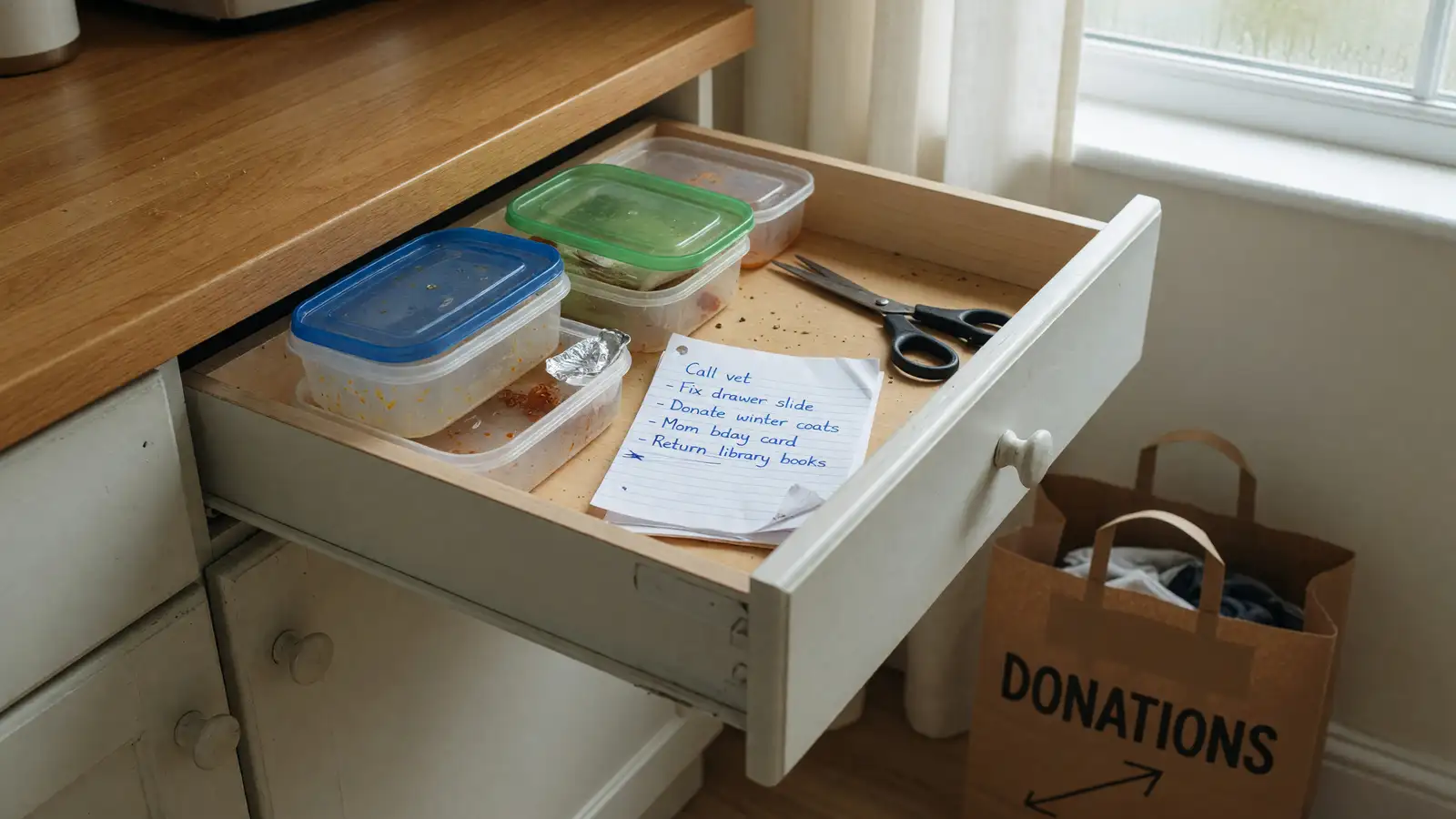
One of the best places to begin your minimalism journey is with a single drawer or cabinet - somewhere small enough to feel manageable but large enough to make a noticeable difference. The kitchen junk drawer is a perfect starting point because everyone has one, and its contents are rarely organized.
Empty the drawer completely. Wipe it clean. As you place items back, ask yourself: Do I use this at least once a month? Does it serve a specific purpose? Is it broken or duplicates something I already have? Be ruthless but realistic. You need can openers and tape measures, even if you use them infrequently.
The Three-Box Method
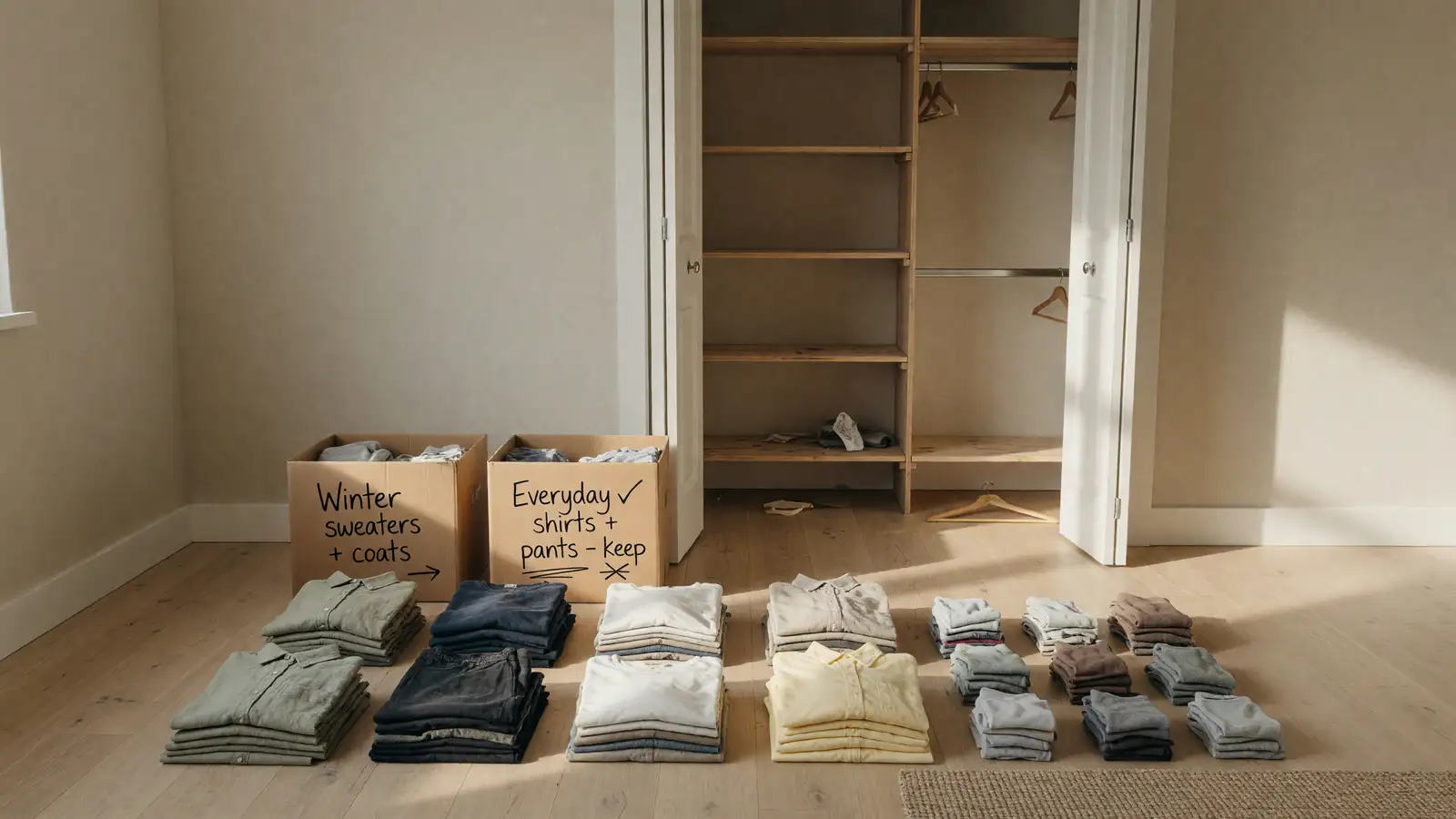
When decluttering any space, three boxes are essential: Keep, Donate, and Trash. As you go through your belongings, place each item in one of these boxes without overthinking. The goal is progress, not perfection.
Be careful not to create a fourth box labeled “maybe” - this is procrastination in disguise and will only delay your progress. If you are genuinely unsure about an item, set a deadline: store it away for three months, and if you do not reach for it, let it go.
Document Your Progress
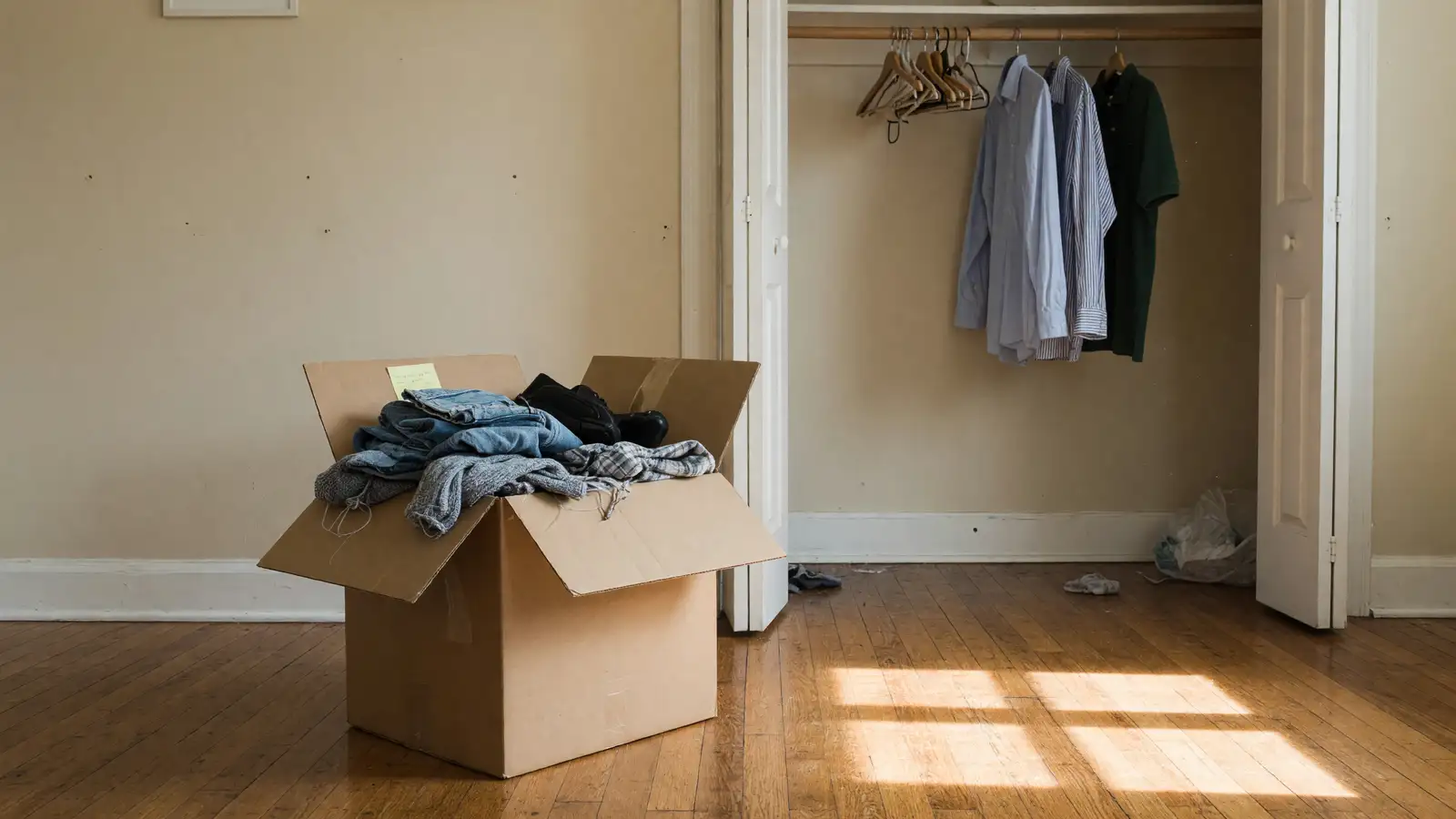
Take before and after photos of your spaces. These photos serve two purposes: they document your progress, which can be motivating when the process feels slow, and they help you see changes that might not be obvious day to day. Sometimes the biggest transformations are the hardest to notice without this visual reference.
The Emotion of Stuff
Clutter is not just physical. It is emotional. We attach memories, hopes, and identities to our possessions, making it difficult to let go. Understanding this connection is crucial for successful decluttering.
When you encounter an item with sentimental value, acknowledge the memory or feeling it represents, express gratitude for the role it played in your life, and then ask yourself: Does keeping this item preserve the memory, or does the memory exist independently of the object? Most memories live in us, not in our things.
Creating Systems, Not Just Spaces
Minimalism is not about having a clean space for a week before things accumulate again. It is about creating systems that prevent clutter from returning. This might mean a donation box by your front door for items you no longer need, a no-spend month to break shopping habits, or a simple rule about replacing one item before buying a new one.
The goal is to address the root causes of clutter, not just its symptoms. Otherwise, you will find yourself decluttering the same items repeatedly, never making lasting progress.
Minimalism Is Not All or Nothing
A common misconception about minimalism is that you must commit fully or not at all. This black-and-white thinking sets people up for failure. Minimalism is a spectrum, and every step toward intentional living is valuable.
If going vegan feels overwhelming, try Meatless Mondays. If a capsule wardrobe seems restrictive, simply declutter the clothes you never wear. If complete digital minimalism sounds impossible, start by unsubscribing from newsletters you never read. Small, sustainable changes lead to lasting transformation.
The Benefits You Will Notice
As you begin your minimalism journey, pay attention to the changes you experience. Many people report reduced stress and anxiety, more mental clarity, better focus, increased creativity, improved sleep, and more time for things that matter. These benefits often appear gradually but become increasingly apparent over time.
You might also notice changes in your spending, as intentional living naturally leads to more thoughtful consumption. When you truly need something, you will buy it deliberately rather than impulsively.
Conclusion
Minimalism is not about perfection or following strict rules. It is about creating space in your life for what truly matters. Start where you are, with what you have, and do what you can. The journey of a thousand miles begins with a single step. In this case, it is a single drawer.